
Moving to Mexico is one thing. Working there is another.
Every year, many French and French-speaking people choose to move to Mexico to join a company, start their own business, or work remotely from there.
And contrary to popular belief, Mexico isn’t just a vacation or retirement destination.
It is also Latin America’s second-largest economy, a major industrial and technological hub, and a country that is attracting more and more international talent.
But before you pack your bags, there’s one question worth asking:
Is it really possible for a foreigner to work in Mexico?
The answer is yes.
But it’s important to understand how the job market works, as well as visa requirements, salaries, and the realities of daily life.
Is it legal to work in Mexico?
Yes.
Foreigners can certainly work in Mexico.
However, it is not possible to work legally while holding only a tourist visa.
To engage in a professional activity, you generally need to:
- have the appropriate residency status;
- obtain a work permit;
- be in good standing with immigration authorities.
The situation then depends on your profile:
- an employee hired by a Mexican company;
- entrepreneur;
- freelance;
- remote worker;
- investor.
The Job Market in Mexico
Mexico has an extremely diversified economy.
Several sectors are particularly dynamic:
- automotive industry;
- aeronautics;
- new technologies;
- energy;
- services;
- tourism;
- international trade;
- logistics.
Some cities offer a greater concentration of job opportunities.
Mexico City: The Economic Capital
Mexico City remains by far the country’s largest job market.
It includes:
- headquarters;
- large international companies;
- banks;
- consulting firms;
- the startup ecosystem.
The capital attracts a large expatriate community.
Monterrey: The Industrial City
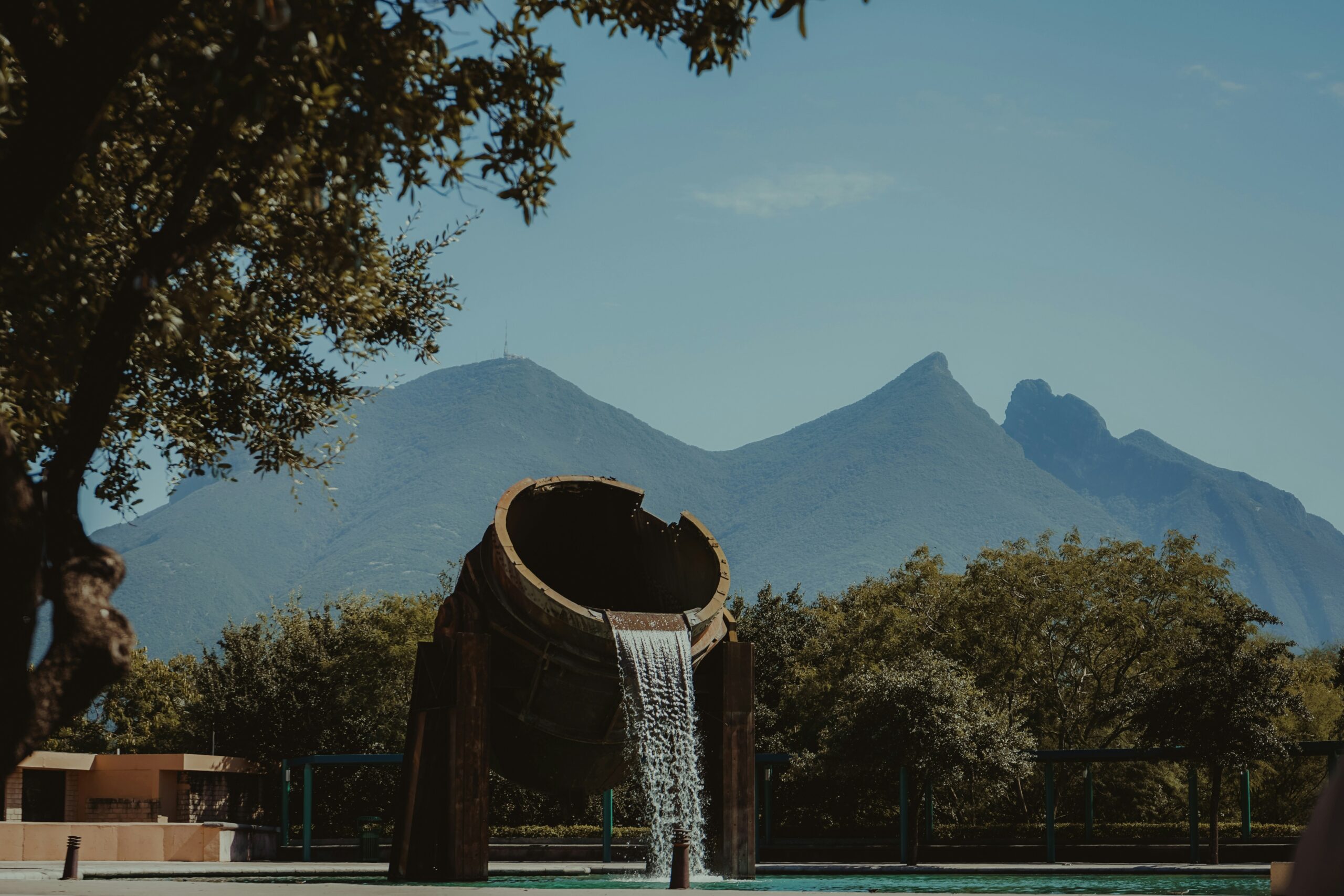
Monterrey is often considered the country’s industrial powerhouse.
It features:
- many industrial groups;
- technology companies;
- logistics professionals;
- international companies.
Technical professionals are in particularly high demand there.
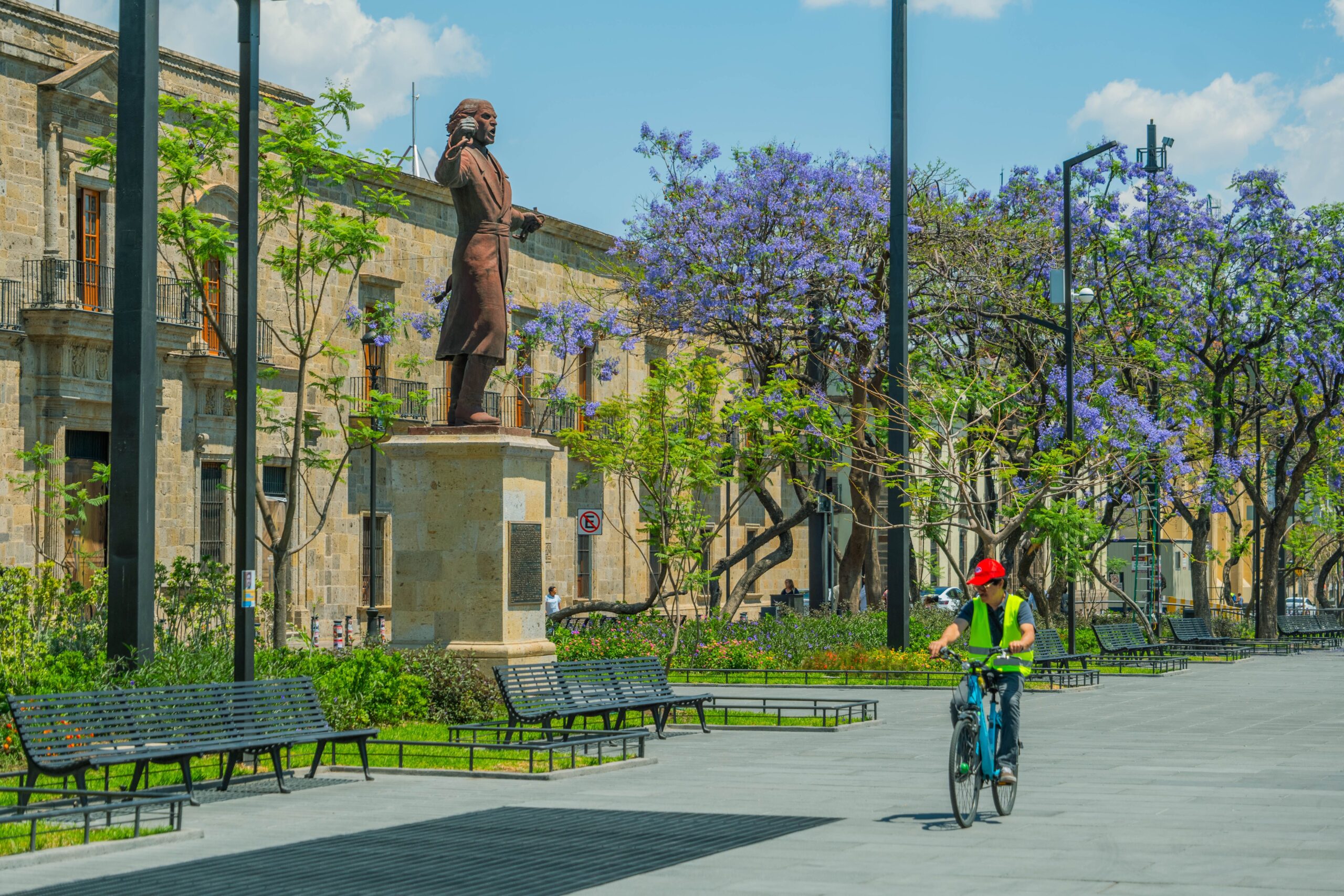
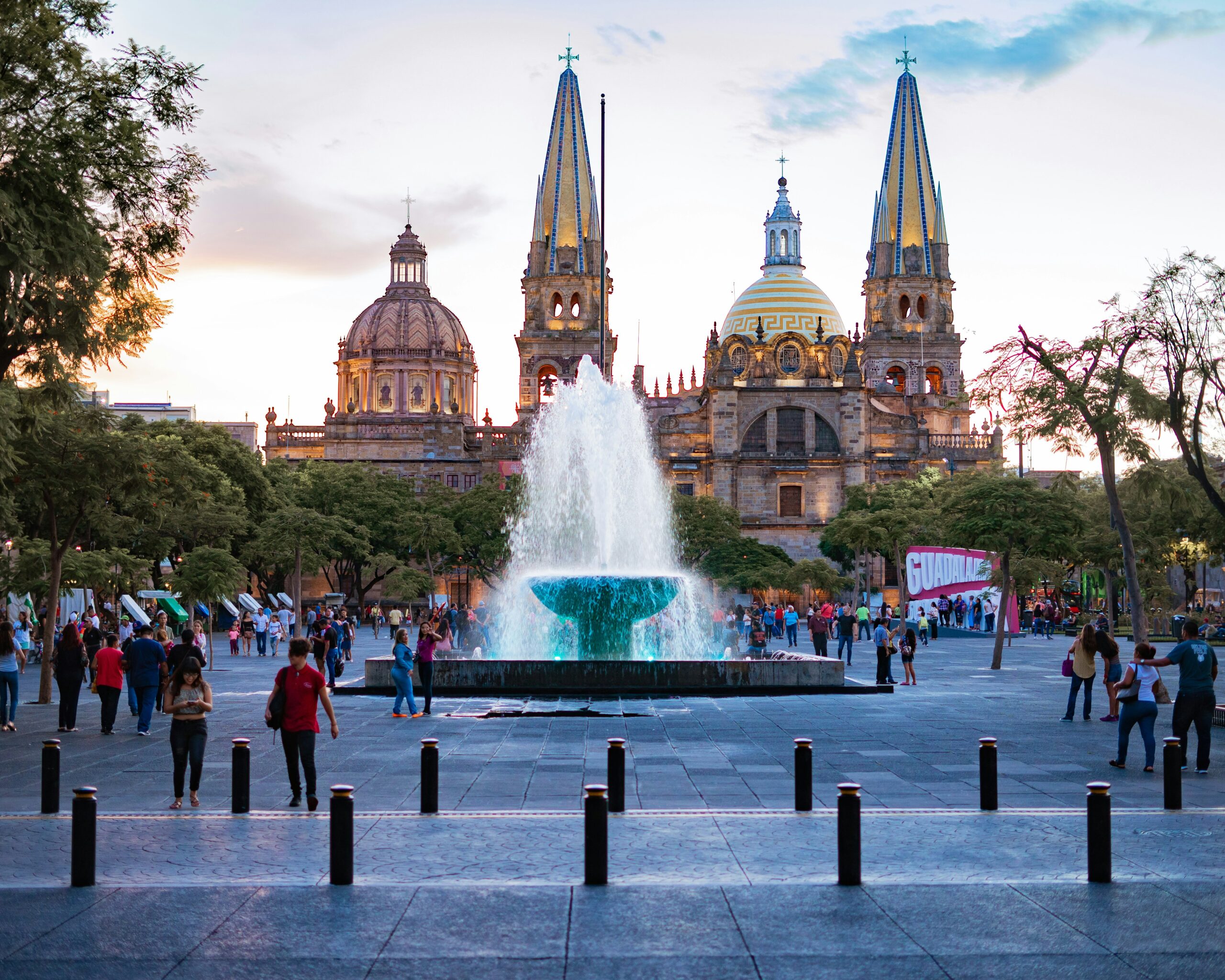
Guadalajara: Mexico’s Silicon Valley
Guadalajara has become one of Latin America’s leading technology hubs.
The city attracts:
- developers;
- engineers;
- digital professionals;
- entrepreneurs;
- workers in the technology sector.
It also offers an excellent quality of life.
Which jobs are hiring foreign workers?
In most cases, companies hire foreign nationals when they bring:
- specific expertise;
- technical skills;
- international experience;
- language skills;
- management profiles.
Sectors that regularly hire foreign workers include:
- technologies;
- engineering;
- industry;
- education;
- tourism;
- international trade;
- marketing;
- finance.
Speaking several languages is often a real advantage.
Do we need to speak Spanish?
The short answer is: no, but it helps a lot.
It is possible to work without speaking Spanish in certain environments:
- multinational companies;
- technology companies;
- international education;
- telework.
On the other hand, speaking Spanish makes things much easier:
- administrative procedures;
- professional integration;
- relationships with coworkers;
- career opportunities;
- everyday life.
Even an intermediate level can make a big difference.
What are the salaries like in Mexico?
Salaries vary greatly depending on:
- in the sector;
- of the city;
- from experience;
- the level of responsibility;
- of the company.
The salaries offered by local companies are generally lower than the French standard.
On the other hand:
- the cost of living may be lower in some regions;
- Some multinational companies offer attractive packages;
- Certain highly qualified candidates receive competitive compensation.
It is therefore important to analyze the situation as a whole, not just the gross salary.
Working for a French company in Mexico
Many French companies have a presence in Mexico.
The country hosts international groups in:
- the automobile;
- energy;
- industry;
- luxury;
- distribution;
- services.
For some expatriates, an internal transfer is often the easiest way to work in Mexico.
It generally allows you to:
- a safer transition;
- more stable pay;
- administrative support.
Working Remotely from Mexico
Remote work has profoundly changed the way people move abroad.
Many foreigners currently live in Mexico while working:
- for their business in Europe;
- for international clients;
- as a freelancer;
- as an entrepreneur.
Cities such as:
- Playa del Carmen;
- Mérida;
- Mexico City;
- Puerto Vallarta;
are attracting more and more remote workers.
Is it possible to start a business in Mexico?
Yes.
Mexico also offers many entrepreneurial opportunities.
Foreigners regularly create:
- service companies;
- digital agencies;
- retail stores;
- consulting services;
- tourism projects;
- import-export companies.
The country benefits from:
- a large internal market;
- its proximity to the United States;
- a relatively open economic environment.
As is always the case, thorough preparation is essential.
The Benefits of Working in Mexico
Working in Mexico often offers the following benefits:
- where the cost of living is sometimes more affordable;
- a pleasant climate;
- a particularly warm culture;
- a dynamic market;
- an international environment;
- an excellent work-life balance in certain regions.
Many expatriates also appreciate the warmth of human relationships and the friendliness of Mexican culture.
Challenges to Anticipate
Working abroad also comes with certain realities:
- cultural differences;
- administrative procedures;
- adaptation to the local market;
- proficiency in Spanish;
- wage differences by sector;
- international taxation.
The success of an assignment abroad often depends more on preparation than on the position itself.
So, is it a good idea to work in Mexico?
Yes, for many positions.
Mexico currently offers real career opportunities, particularly in the following areas:
- qualified candidates;
- entrepreneurs;
- telecommuters;
- digital professionals;
- international experts.
But a successful professional move abroad requires preparation.
You need to understand the market, plan ahead for administrative procedures, and accept that some customs are different from what you’re used to in France.
Because working in Mexico isn’t just about changing offices or countries.
It also means discovering a different way of working, building professional relationships, and—often—rethinking your work-life balance.
And that is precisely what leads many expats to never actually leave.