Mexico is one of the countries that attracts more and more French speakers every year. Some come for a few months to work remotely. Others dream of retiring there, starting a business, investing in real estate, or simply building a new life in the sun.
I completely understand that appeal.
When I arrived in Mexico more than fifteen years ago now, what was supposed to be just a short stay gradually turned into a lifelong project. I met my wife there in Mérida, built my career there, and discovered a country infinitely richer and more complex than the image we often have of it from Europe.
Because living in Mexico isn’t just about enjoying idyllic beaches or a cost of living that’s sometimes more affordable than in France. It’s also about learning to navigate a different culture, understanding a different administrative system, and discovering cities with very diverse realities.
The good news is that Mexico now offers many opportunities for expats, entrepreneurs, retirees, and investors. But as with any plan to move abroad, success often depends on how well you prepare.
In this guide, I’ll walk you through everything you need to know about living in Mexico in 2026: cost of living, visas, healthcare, safety, real estate, employment, quality of life, and practical tips to help you prepare for your move with peace of mind.
Why live in Mexico?
Mexico has long held a special fascination for foreigners. Some come here initially for a few weeks of vacation and end up returning regularly. Others decide to take the plunge and build a new life here.
I understand this phenomenon perfectly. The more I explored the country, the more I realized how difficult it was to sum it up in just a few words. Mexico is vast, diverse, sometimes confusing, but also incredibly endearing.
In reality, there isn’t just one way to live in Mexico.
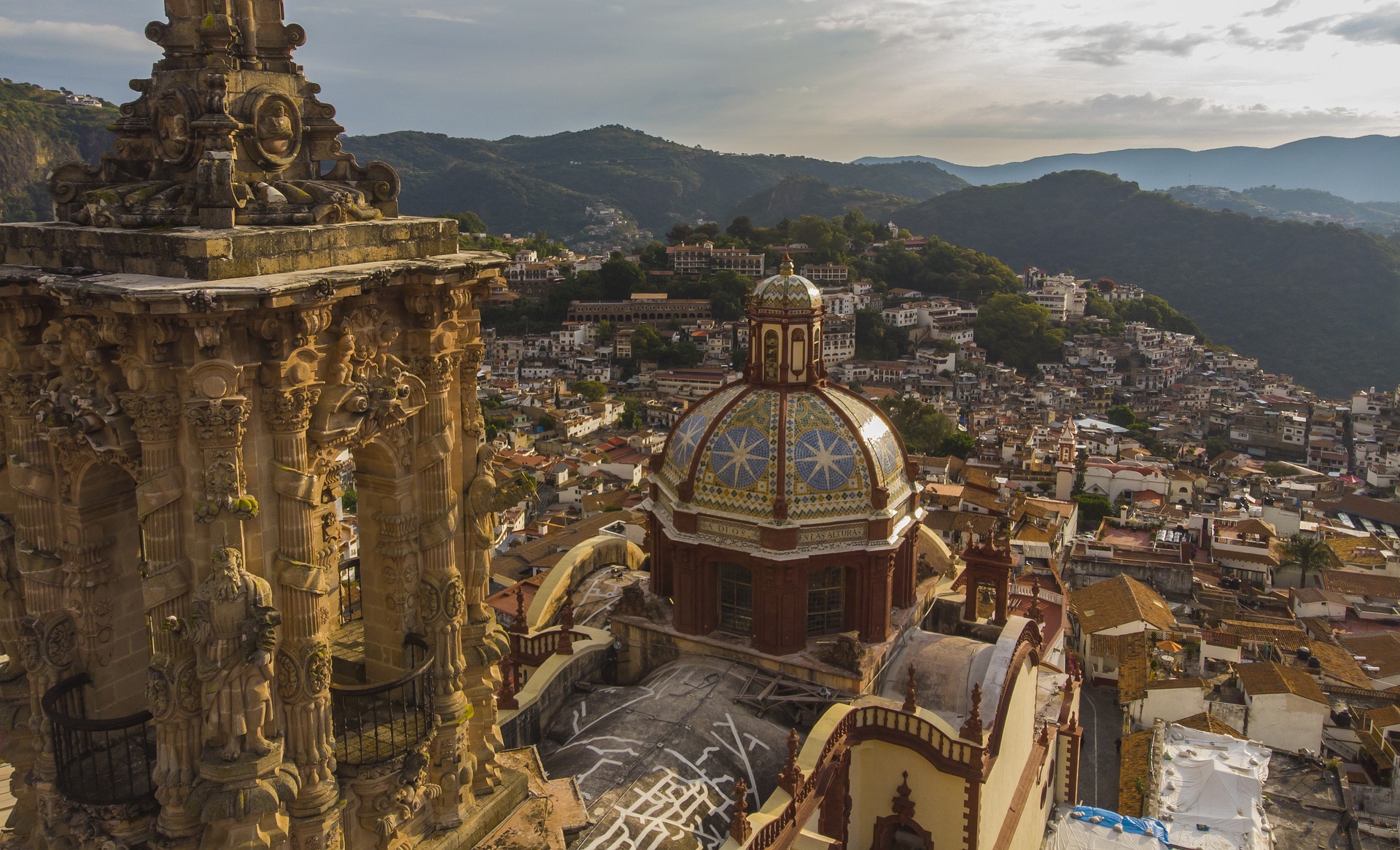
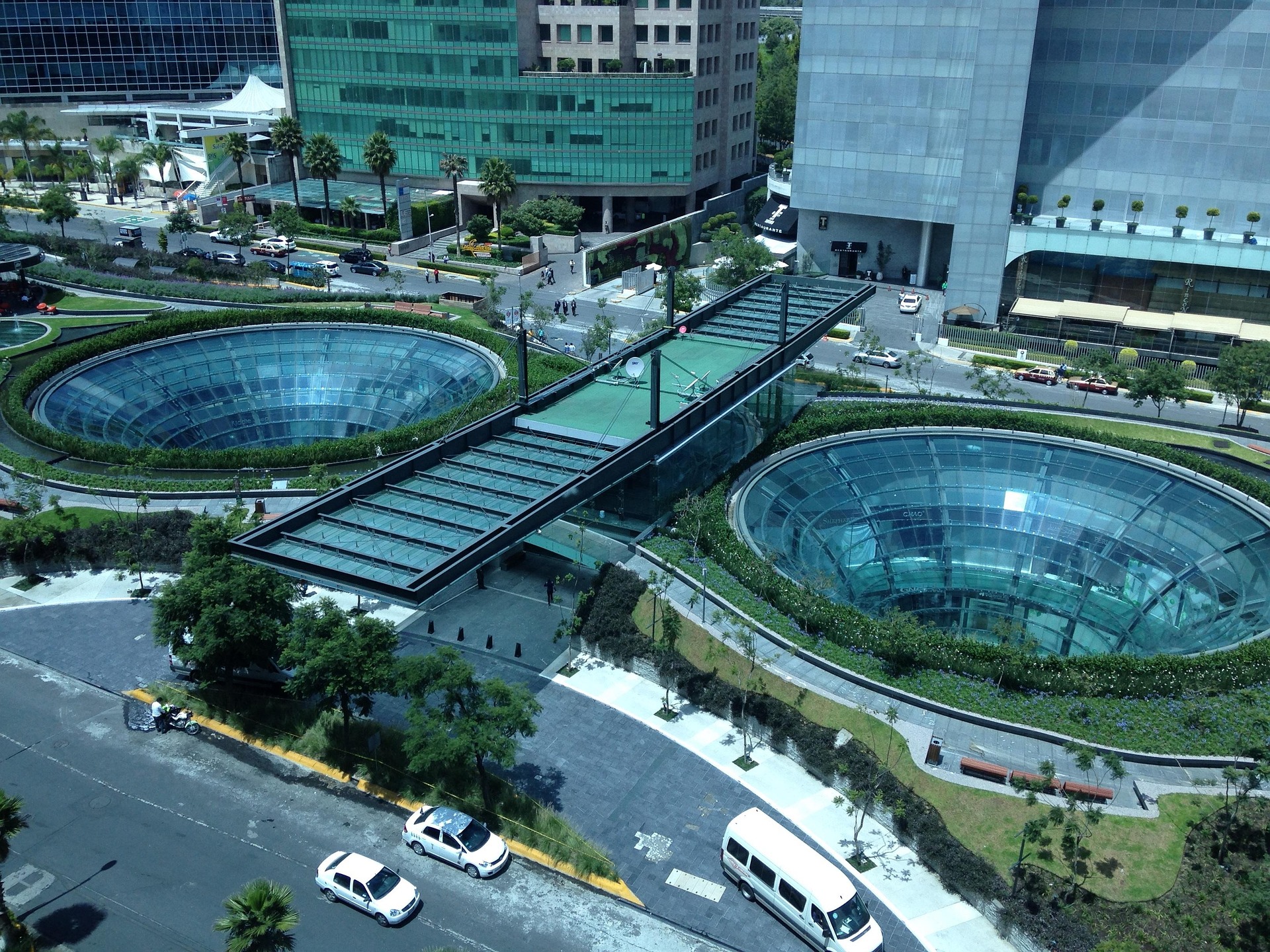
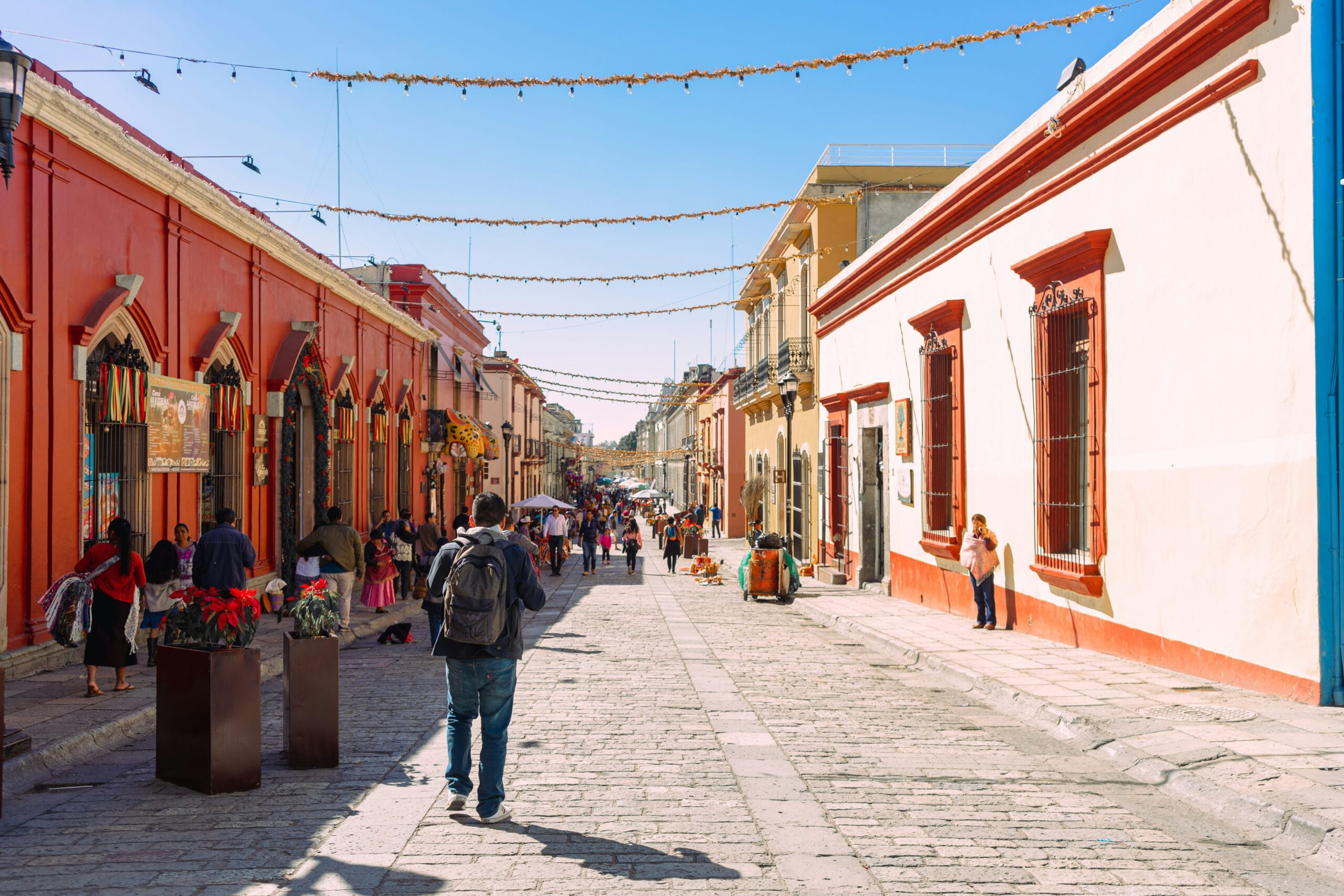
Whether it’s the bustling energy of Mexico City, the laid-back lifestyle of Mérida, the entrepreneurial spirit of Monterrey, or the more bohemian atmosphere of Oaxaca, everyone can find an environment that fits their life plan.
But if Mexico attracts so many French speakers today, it is also because it offers several advantages that are rarely found in a single country.
A quality of life that expatriates often appreciate
Many foreigners quickly discover that in Mexico, the relationship with time and human interactions is different. Family plays a central role, interactions are generally warmer, and the pace of life can seem less stressful than in some major European cities.
That doesn’t mean everything is easier. But many expats appreciate Mexico’s ability to restore a sense of balance in their personal lives and improve their quality of life.
A cost of living that remains affordable in many cities
Although some destinations have become more expensive in recent years—notably Mexico City, Tulum, and certain highly touristic areas—the cost of living is often still lower than in many French cities.
Housing, certain everyday services, dining, and transportation can all help you enjoy a high standard of living on a reasonable budget.
Of course, it all depends on the city you choose and your lifestyle.
An incredible variety of landscapes and cities
One of Mexico’s greatest assets is its diversity.
The country has a population of more than 120 million people spread across a vast territory that includes modern metropolises, colonial towns, mountains, deserts, tropical forests, and coastlines.
Living in Mexico, then, does not mean living in just one kind of reality. You can choose a business-oriented city, a quieter region for retirement, or an environment suited to remote work.
Opportunities for Entrepreneurship and Investment
Mexico has one of the largest economies in Latin America and maintains close trade ties with the United States and Canada.
This strategic location is attracting more and more entrepreneurs, self-employed individuals, and foreign investors.
Real estate, tourism, services, technology, and certain industrial sectors now offer numerous opportunities for those who wish to pursue a career in the country.
An exceptional cultural heritage
Finally, living in Mexico also means discovering a country with a remarkable history and cultural identity.
Traditions, cuisine, architectural heritage, folk festivals, and regional diversity are all part of everyday life.
Over time, many expatriates realize that they haven’t simply moved to another country. They have gradually adopted a new way of living, working, and seeing the world.
Perhaps that’s what makes Mexico so special: people often come here with a specific plan, but they usually end up discovering so much more.
The Pros and Cons of Living in Mexico
As with any move abroad, living in Mexico has many advantages, but also certain challenges that are important to be aware of before making a decision.
My experience has taught me that there is no such thing as a perfect country. However, there are countries that are more or less in line with your personality, your expectations, and your life plans.
Mexico can be a land of tremendous opportunity for some people, while for others it may prove more difficult to navigate.
The key, then, is to start with a realistic vision.
The Main Benefits of Living in Mexico
A high quality of life
This is probably one of the first things many expats mention.
In Mexico, daily life places a strong emphasis on family, human relationships, and moments of togetherness. Meals are often longer, interactions are warmer, and the pace of life is generally less stressful.
This atmosphere isn’t for everyone, but many foreigners find a sense of balance here that they had sometimes lost.
A cost of living that remains attractive
Mexico is no longer the extremely inexpensive country it used to be fifteen or twenty years ago.
However, in many cities, it is still possible to enjoy a high standard of living on a budget that is lower than in many European cities.
Housing, certain services, and dining options often contribute to a very satisfying quality of life.
A wide variety of cities and regions
Mexico offers a truly exceptional variety of living environments.
Are you looking for a major international city? Mexico City or Monterrey might be just what you’re looking for.
Would you prefer a more peaceful, family-friendly city? Mérida or Querétaro are often excellent options.
Would you like to live near the ocean? Puerto Vallarta or certain cities in Yucatán might be just what you’re looking for.
This diversity allows everyone to find an environment that suits their lifestyle.
Career and Entrepreneurial Opportunities
Mexico is now a dynamic economy undergoing rapid transformation.
Many sectors are hiring or offering investment opportunities:
- technology;
- industry;
- tourism;
- real estate;
- services;
- international trade.
For entrepreneurs and self-employed individuals, the country can be a particularly attractive market.
The Main Drawbacks of Living in Mexico
An administration that can sometimes be confusing
This is often one of the first challenges expatriates face.
Some procedures can take time; administrative processes are sometimes less standardized than in Europe, and you have to learn to be patient.
In Mexico, things work differently. A certain amount of flexibility and adaptability are often necessary.
Very different realities depending on the region
Mexico is a huge country.
The quality of infrastructure, the cost of living, career opportunities, and the level of safety can vary considerably from one state to another.
It is therefore essential never to generalize when talking about Mexico.
The Issue of Security
The topic of safety naturally comes up in any discussion about living abroad in Mexico.
The reality is more nuanced than the images sometimes portrayed internationally.
Some regions do indeed have more serious crime problems. Other cities, on the other hand, are among the most popular destinations for foreign families and retirees.
The important thing is to do your research thoroughly before choosing where to set up shop.
The language barrier
It is possible to live in Mexico with a limited knowledge of Spanish, especially in certain very international cities.
However, learning the language remains one of the best investments you can make.
Speaking Spanish makes it easier to:
- administrative procedures;
- integration;
- professional relationships;
- friendships;
- an understanding of the local culture.
So, is Mexico a good choice for expats?
Ultimately, it all depends on your life plan.
If you’re looking for a dynamic, culturally rich country that offers a high quality of life and plenty of opportunities, Mexico is definitely worth considering.
On the other hand, you also have to accept certain differences in how things work and be willing to step outside your comfort zone.
Living abroad is always a journey of adjustment.
In Mexico, this adjustment is often richly rewarded by the wealth of human experiences the country has to offer.
What is the cost of living in Mexico in 2026?
If there’s one question I’m asked regularly, it’s this:
“Is it really possible to live in Mexico for less than in France?”
The answer is yes… but with a few caveats.
Mexico remains generally more affordable than many European countries. However, there is no single cost of living. The differences can be considerable between a metropolis like Mexico City, a rapidly developing city like Mérida, and a tourist destination like Tulum.
Your budget will depend primarily on four factors:
- the city where you choose to live;
- your lifestyle;
- your family situation;
- your desired level of comfort.
How much does it cost to live in Mexico?
As a general guide, a single person can usually live comfortably in Mexico on a monthly budget of between 1,300 and 2,000 euros.
A couple with a monthly income of 2,000 to 3,000 euros often enjoys a particularly comfortable standard of living, especially in many smaller cities.
A family with children will need to set aside a larger budget, especially if they want to enroll their children in a private or international school.
As always, it’s important to remember that these are averages. Some expats live on less, while others spend more than they would in Europe.
Housing
Housing is usually the largest expense.
Here again, the differences are significant.
In Mérida, Querétaro, or Puebla, it’s still possible to rent a comfortable house for a reasonable price.
In Mexico City or in certain highly sought-after areas of the Riviera Maya, however, rents can reach levels comparable to those in some European cities.
The good news is that Mexico still offers a wide variety of housing options:
- apartments in the city center;
- houses with gardens;
- secure housing;
- historic neighborhoods;
- modern residential communities.
The choice of city will therefore have a major impact on your overall budget.
Food
Food remains one of the most enjoyable aspects of life in Mexico.
Local markets often offer fruits, vegetables, and fresh produce at very attractive prices.
Eating locally sourced foods and cooking regularly usually helps you stay within your budget.
On the other hand, some products imported from Europe or North America can cost significantly more than they do in France.
Over time, many expatriates naturally adapt their eating habits and discover a particularly rich local cuisine.
Restaurants and Nightlife
Mexico is a country where social life plays an important role.
Going out to a restaurant or sharing a meal with friends is part of daily life for many families.
Outside of the major tourist areas, it’s often possible to have lunch or dinner at a restaurant for a reasonable price.
This accessibility plays a major role in the sense of quality of life that many expatriates experience after settling in.
Health and Insurance
Healthcare expenses vary considerably depending on each person’s needs.
The country has both a public system and excellent private institutions.
Many expatriates choose to purchase international or local health insurance in order to have easier access to private healthcare facilities.
It is important to include this expense in your moving budget.
Transportation
Transportation costs depend largely on where you live.
In Mexico City, it is sometimes possible to get by without a car thanks to public transportation and mobility services.
In smaller cities, having a personal vehicle can quickly become more convenient.
Fuel, maintenance, and insurance costs generally remain reasonable compared to many European countries.
So, is Mexico an inexpensive country?
In reality, Mexico is, above all, a country that offers a great deal of flexibility.
It is possible to live there simply on a modest budget, just as it is possible to enjoy a very comfortable lifestyle with high-end amenities.
This is probably one of the reasons why the country attracts such a diverse range of people: young professionals, entrepreneurs, families, retirees, and remote workers.
My experience has taught me that before moving to Mexico, it’s best to ask yourself one very simple question:
What kind of lifestyle do you really want to have?
The answer to this question will often determine your budget much more than the country itself.
Where to live in Mexico?
One of Mexico’s greatest strengths is undoubtedly its diversity.
When people talk about moving to Mexico, many immediately picture white-sand beaches, colorful colonial towns, or large, bustling cities. The reality is even more diverse.
With more than 120 million people spread across a vast territory, Mexico offers an incredible variety of lifestyles.
So there isn’t a single best city to live in Mexico.
Above all, there is a city that fits your life plan.
Before choosing your destination, I always recommend asking yourself a few simple questions:
- Are you looking for a big city or a quieter setting?
- Would you prefer to work on-site or remotely?
- Are you coming alone, as a couple, or with children?
- Is your top priority the cost of living, safety, or career opportunities?
- Do you prefer a tropical climate or more moderate temperatures?
The answers to these questions often naturally influence the choice of city.
Living in Mérida
Mérida is one of the cities that has attracted the most French speakers and Americans in recent years.
Located in the state of Yucatán, it charms visitors with its peaceful atmosphere, colonial heritage, and quality of life.
It is also a city that is particularly popular with families and retirees.
Personally, this is where I’ve spent a large part of my life in Mexico. What I still love about Mérida is the balance between its urban vibrancy and its laid-back lifestyle.
The city has good infrastructure, excellent services, and is still relatively close to the sea.
However, it is experiencing strong population growth, which is gradually leading to an increase in real estate prices and the cost of living.
Ideal for:
- families;
- retirees;
- remote workers;
- people looking for a quiet and safe city.
Living in Mexico City
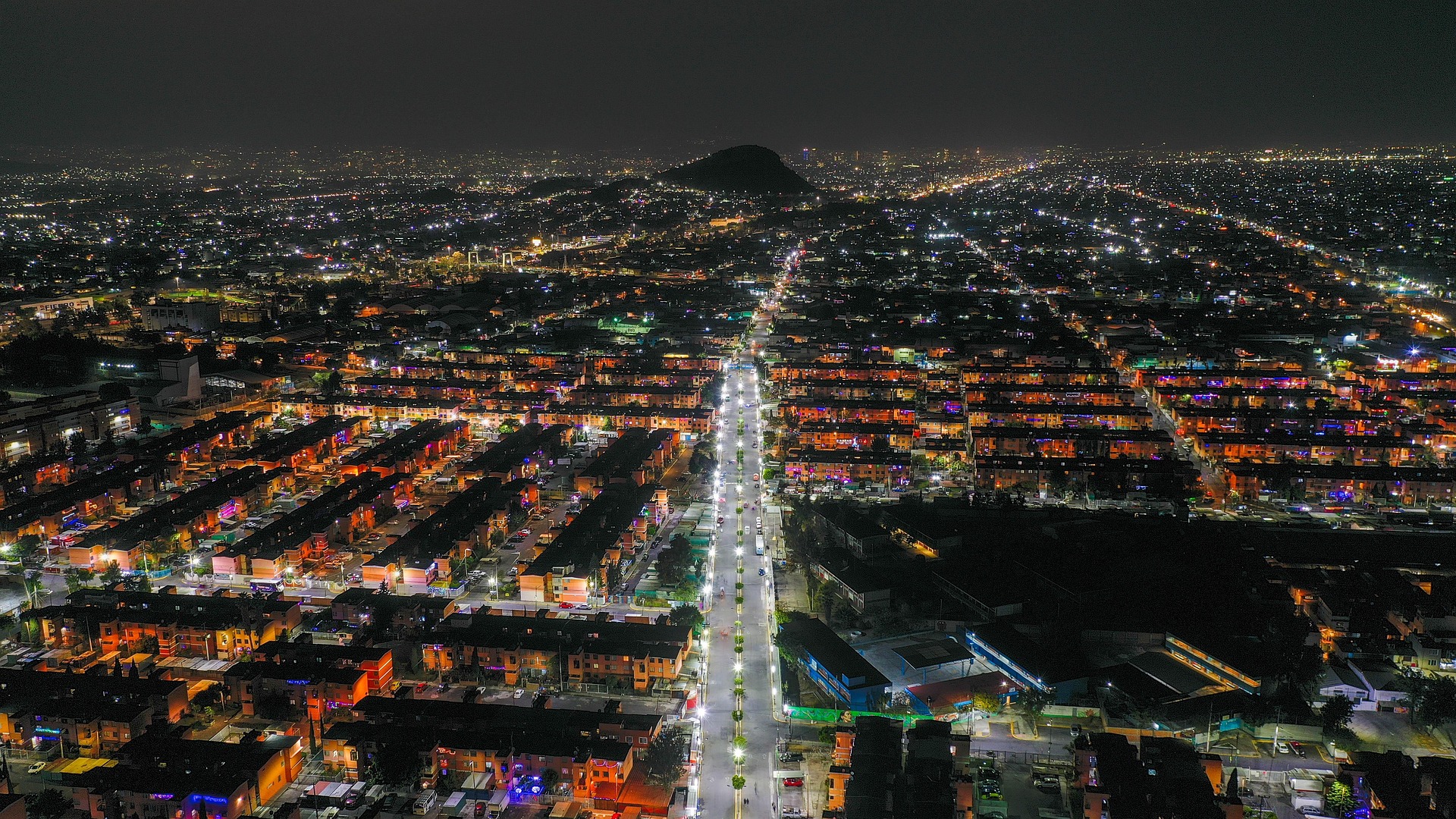
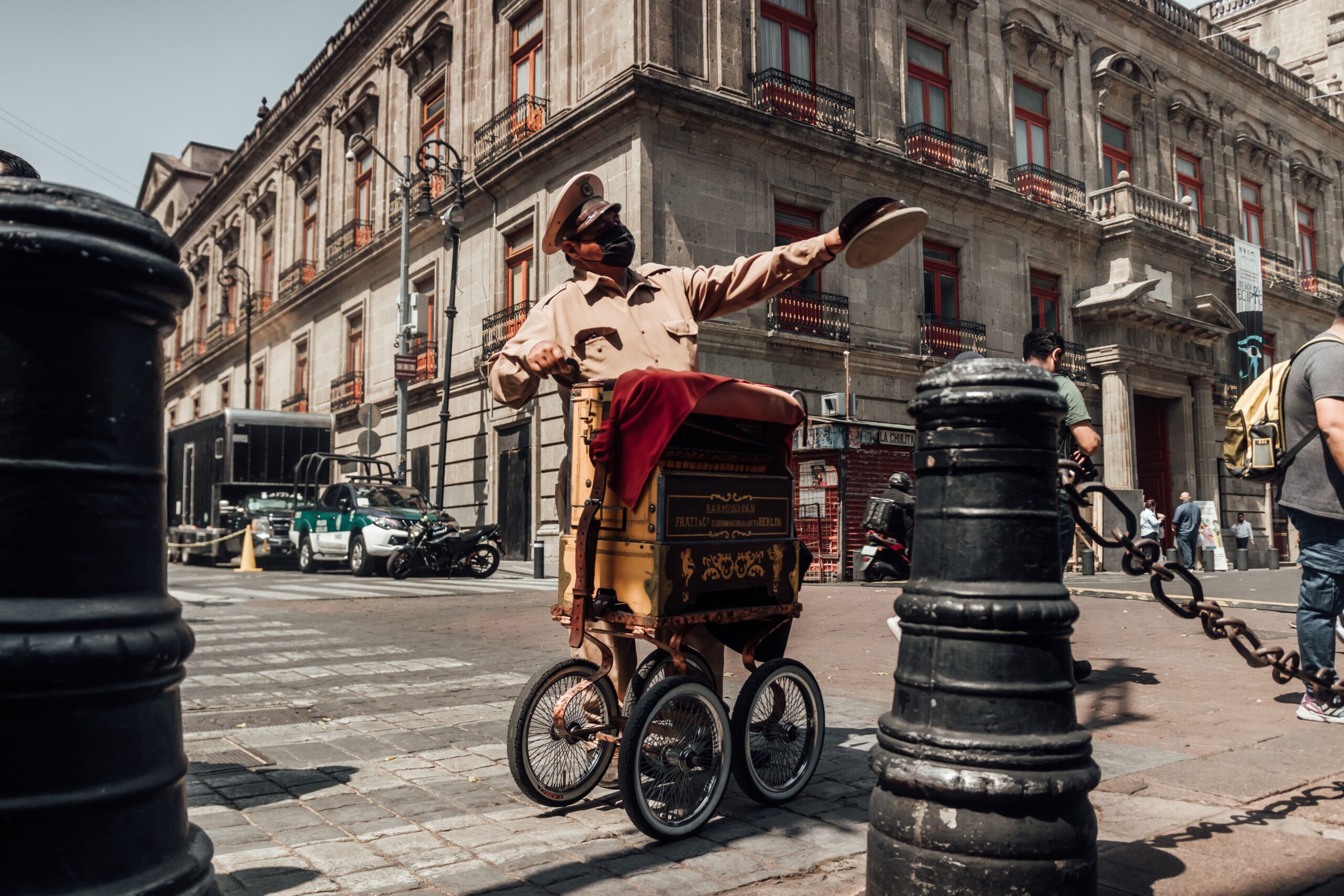
Mexico City is a fascinating city.
With more than twenty million people in its metropolitan area, it is one of the largest cities in the world.
She is as impressive as she is sometimes unsettling.
The capital has just about everything:
- career opportunities;
- universities;
- gastronomy;
- culture;
- museums;
- transportation;
- nightlife;
- international events.
For entrepreneurs and professionals, Mexico City is often considered the most dynamic city in the country.
On the other hand, traffic, the cost of housing in certain neighborhoods, and the pace of life can be a challenge for some people.
Ideal for:
- entrepreneurs;
- managers and professionals;
- young workers;
- people who enjoy city life.
Living in Guadalajara
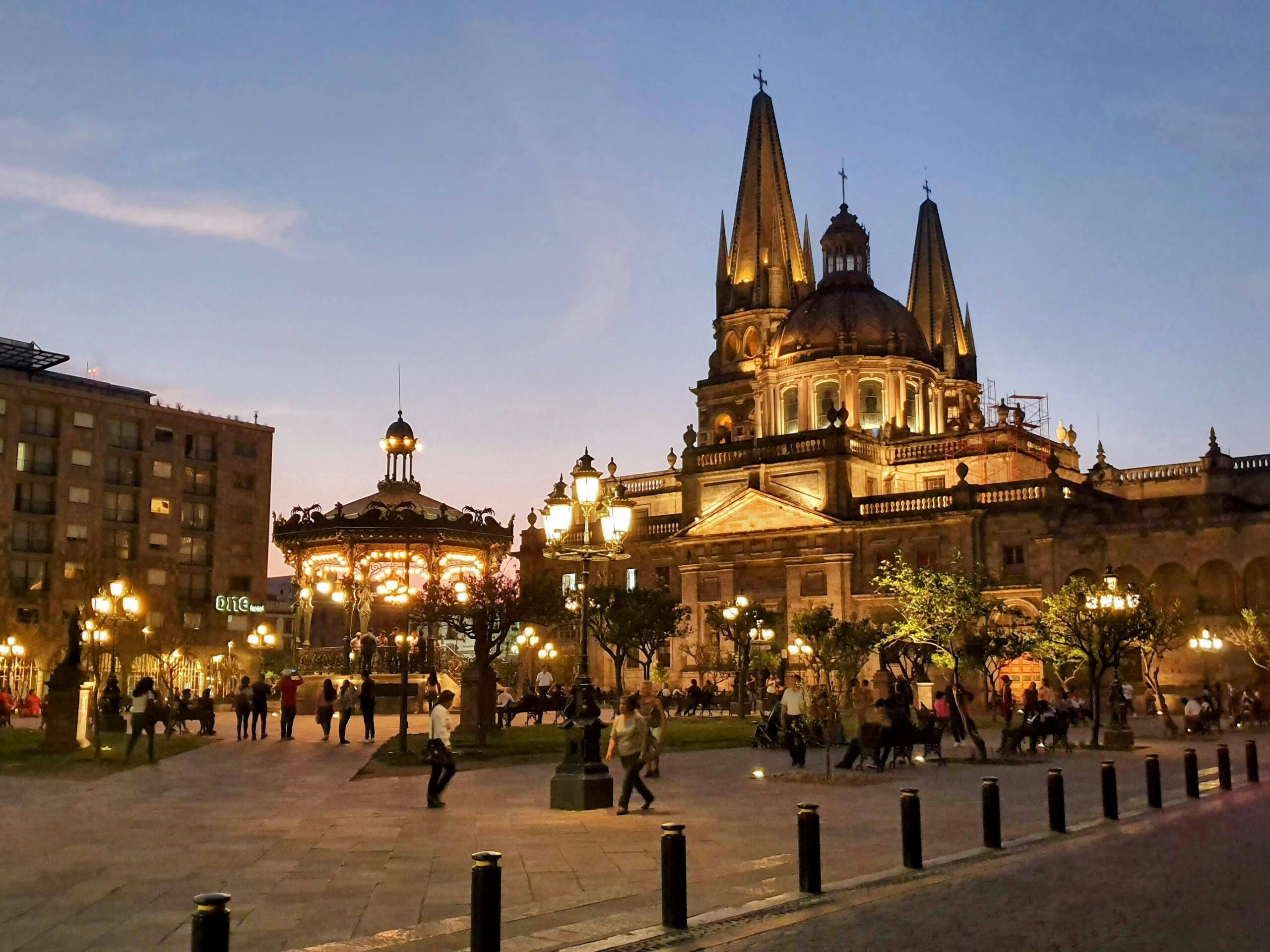
Often considered one of the cities in Mexico that offers the best work-life balance, Guadalajara attracts many expats.
The city combines:
- economic vitality;
- a vibrant cultural scene;
- pleasant environment;
- cost of living that is still relatively reasonable.
It has also become one of Latin America’s leading technology hubs, which is why it is sometimes referred to as the “Mexican Silicon Valley.”
Ideal for:
- technology professionals;
- entrepreneurs;
- remote workers;
- young families.
Living in Monterrey
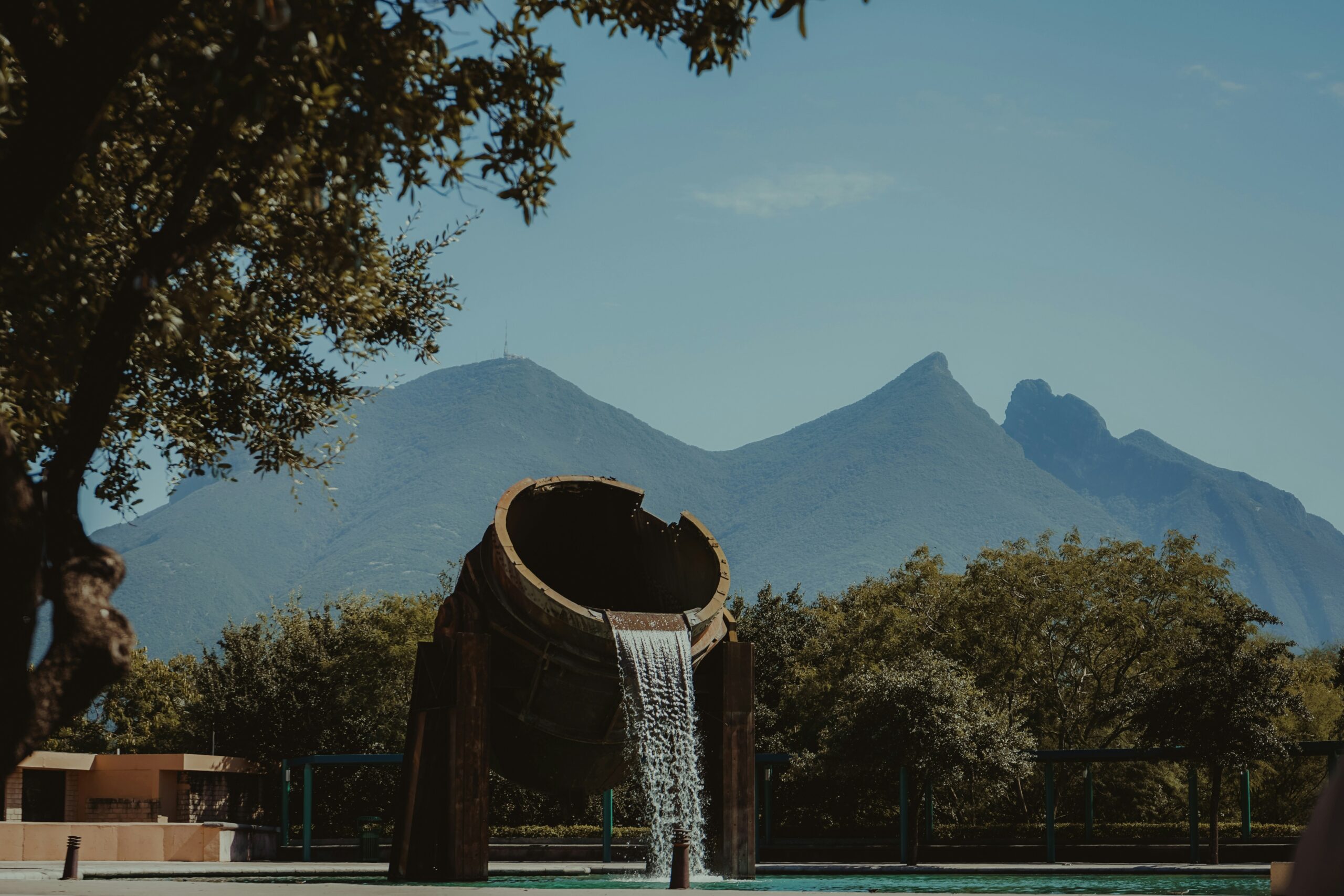
Monterrey has a very different character.
As the economic capital of the northern part of the country, the city is known for its entrepreneurial spirit and industrial development.
Wages there are generally higher than in many other regions of Mexico.
The environment is more focused on business and economic performance.
On the other hand, the cost of living there is also higher.
Ideal for:
- entrepreneurs;
- managers;
- investors;
- industry professionals.
Living in Querétaro
Although still relatively unknown to Europeans, Querétaro is, in my opinion, one of the cities with the greatest potential for expats.
She is entitled to:
- a good level of security;
- sustained economic growth;
- an excellent location;
- modern infrastructure.
The city is attracting more and more international companies, particularly in the aerospace and technology sectors.
Ideal for:
- families;
- managers;
- engineers;
- expatriates looking for a good balance between quality of life and career opportunities.
Living in Puerto Vallarta
Puerto Vallarta is often associated with the image of life by the ocean.
The city has a large international community and offers a particularly pleasant place to live.
It attracts many retirees and remote workers.
The pace of life there is generally more relaxed than in large cities.
However, the growth of tourism is leading to a gradual increase in real estate prices.
Ideal for:
- retirees;
- remote workers;
- people looking for a seaside lifestyle.
So, what’s the best city to live in Mexico?
The answer is simple: it depends entirely on your life plan.
A family with young children will likely have different expectations than an entrepreneur, a retiree, or a digital nomad.
My experience has taught me that it’s always best to visit several cities before making a final decision.
Mexico often has surprises in store.
Sometimes you arrive with the idea of settling in Mexico City, only to fall in love with Mérida. You consider the Riviera Maya before realizing that Querétaro is a better fit for your priorities.
Taking the time to explore different regions is often one of the best decisions you can make before settling permanently in Mexico.
What kind of visa do you need to live in Mexico?
One of the first questions prospective expatriates ask themselves naturally concerns visas.
And that’s perfectly normal. Before you start thinking about housing, schools, or real estate investments, it’s essential to know under what conditions you can legally reside in Mexico.
The good news is that Mexico offers several options tailored to a wide range of profiles: retirees, entrepreneurs, remote workers, investors, and people with family ties in the country.
However, it is important to understand that there is no such thing as a universal visa.
The right choice depends above all on your personal situation and your life plans.
The Vacation
Citizens of France and many other French-speaking countries can enter Mexico without a visa for a tourist visit.
This is a convenient way to explore the country or get a preliminary sense of the area before possibly moving there.
On the other hand, a vacation is not a long-term solution for living abroad.
It is generally not recommended to build a sustainable life plan by making multiple tourist visits without having the appropriate residency status.
Temporary Housing
Temporary housing is often the preferred option for expatriates.
It allows you to live legally in Mexico for several years, with the possibility of renewal.
Depending on your situation, it can be obtained, for example, through:
- a steady income;
- sufficient savings;
- certain professional projects;
- family ties.
This is usually the most suitable option for a first installation.
Permanent Residency
Permanent residency allows you to live in Mexico indefinitely without having to renew your residency permit on a regular basis.
It is particularly popular with:
- retirees;
- certain individuals with substantial income or assets;
- people who have already lived in Mexico for several years;
- certain cases of family reunification.
For many expatriates, it represents a form of stability and administrative security that is particularly valuable.
The Case of Entrepreneurs and Remote Workers
More and more people are choosing to live in Mexico while continuing to work remotely.
The country attracts:
- self-employed workers;
- consultants;
- entrepreneurs;
- employees working remotely.
However, it is important to thoroughly research the administrative and tax implications of each situation.
Moving abroad is about more than just obtaining a visa. It also involves understanding issues related to tax residency, health insurance, and professional arrangements.
Family Reunification
Some people obtain residency based on their family situation.
This is particularly true when a spouse or close family member already has Mexican residency status or citizenship.
These situations may present unique opportunities that should be examined on a case-by-case basis.
Should you plan ahead for these steps?
Absolutely.
My experience has taught me that a successful move abroad often depends on thorough administrative preparation.
Rules are subject to change, and certain procedures may require specific documents, deadlines, or preliminary steps.
Taking the time to understand your future residency status before moving usually helps you avoid a lot of stress and uncertainty.
Because once you’re settled in, you’ll already have plenty to discover without having to deal with administrative hassles that a few weeks of preparation could have prevented.
Can you work in Mexico?
Yes, it is entirely possible to work in Mexico.
But again, it all depends on your situation and your plans.
Some people move to Mexico while keeping their jobs in Europe. Others start their own businesses there, work as freelancers, or join a Mexican company.
The country offers many opportunities today, but it is important to have a good understanding of how the job market works before taking the plunge.
Working for a Mexican company
Mexico has a diversified and dynamic economy.
In particular, the country has a strong presence in the following sectors:
- in the industry;
- the automotive industry;
- in the field of aeronautics;
- technology;
- services;
- tourism;
- international trade.
Major cities such as Mexico City, Monterrey, and Guadalajara account for a large portion of the job opportunities.
There are many international companies there, and certain skilled professionals—particularly in engineering, technology, and management—can find excellent career opportunities there.
However, it is important to keep in mind that local wages are often lower than those in Europe.
This is one of the realities that many expatriates quickly discover.
What are the salaries like in Mexico?
There is no single answer.
The level of compensation depends on:
- of the city;
- the industry sector;
- level of experience;
- of the company.
The differences can be very significant.
Skilled positions at large international companies sometimes offer particularly attractive compensation packages, while some local salaries may seem relatively modest from a European perspective.
Before accepting a job offer, it is therefore essential to always consider the salary in relation to the cost of living in that city.
Working Remotely from Mexico
This is probably one of the most common situations today.
Mexico attracts many remote workers and freelancers who continue to work for clients or employers in their home countries.
The country offers several advantages:
- a cost of living that is still reasonable in many regions;
- excellent connectivity in major cities;
- a time difference that is often compatible with Europe or North America;
- a quality of life that many remote workers appreciate.
As a result, many cities have seen the emergence of large communities of digital nomads and international entrepreneurs.
Starting a Business in Mexico
Mexico is also a particularly interesting country for entrepreneurship.
It has a large domestic market, its proximity to the United States is a strategic advantage, and several sectors are experiencing rapid growth.
I have often been struck by the entrepreneurial spirit found in many Mexican cities.
Mexicans generally have a great ability to adapt and a real sense of initiative.
This entrepreneurial spirit is particularly inspiring.
As in every country, however, starting a business requires a thorough understanding of:
- the legal framework;
- tax obligations;
- administrative procedures;
- the realities of the local market.
Thorough preparation is still essential.
Is it easy to find a job in Mexico?
It all depends on your profile.
Proficiency in Spanish is obviously a significant advantage.
Certain international skills are in particularly high demand, especially in:
- engineering;
- information technology;
- industry;
- international trade;
- management.
On the other hand, it is generally more difficult to find a local job quickly without experience, a professional network, or a good command of the language.
As is often the case in Mexico, interpersonal relationships also play an important role in professional life.
Building your network can open up many opportunities.
Is Mexico a good place to work?
I would say that Mexico is, above all, a country of possibilities.
For some, it will offer an ideal setting for working remotely while enjoying an excellent quality of life.
For others, it will be a particularly dynamic hub for entrepreneurship.
And for certain qualified candidates, it could also represent a great career opportunity.
Once again, it all comes down to your life plan.
Mexico often rewards people who arrive prepared, open to cultural differences, and ready to gradually establish themselves in a new environment.
Finding a Place to Stay in Mexico
Finding a place to live is naturally one of the first things people think about when considering moving to Mexico.
Once again, the country offers a wide variety of situations.
From modern apartments in Mexico City to colonial-style homes in Mérida, gated communities in Querétaro, and ocean-view properties in Puerto Vallarta, there are options for virtually every budget and lifestyle.
But before looking for a place to live, it’s important to understand that in Mexico, the real estate market sometimes works differently than what we’re used to in Europe.
Renting a Place to Live in Mexico
Most expats start out by renting.
That’s usually the solution I recommend.
Taking the time to live in a city for several months gives you a better understanding of:
- neighborhoods;
- travel times;
- the cost of living;
- the overall atmosphere;
- everyday necessities.
It’s very common to fall in love with a city during your first visit and then realize that another neighborhood or region better suits your expectations.
Renting therefore offers a certain amount of flexibility and allows you to make decisions with greater peace of mind.
Rent in Mexico
Prices vary greatly depending on the city.
In Mexico City, rents in some highly sought-after neighborhoods are comparable to those in certain major European cities.
In contrast, many smaller cities still offer spacious housing at relatively affordable prices.
The type of housing also has a significant impact on the budget:
- apartment in the city center;
- single-family home;
- secure housing;
- furnished housing;
- luxury property.
As is often the case in Mexico, there is no single reality when it comes to real estate.
Buying Real Estate in Mexico
Many foreigners end up buying property in Mexico.
This is particularly true for retirees, investors, and people who decide to settle there permanently.
The Mexican real estate market has several unique characteristics that are essential to understand before getting started.
Purchase procedures, the role of the notary, certain legal specifics, and due diligence processes sometimes differ from what we are familiar with in France.
Actually, shopping in Mexico isn’t particularly complicated.
You just need to have the right support and take the time to understand how things work locally.
Should I buy right away?
My personal experience leads me to respond with caution.
Mexico is a country that is gradually being discovered.
The first few months often give you a better understanding of your desires, priorities, and lifestyle.
Some people arrive with the intention of buying a home right away in a city but end up deciding to settle elsewhere after a few months.
Taking your time is usually an excellent strategy.
The real estate market offers enough opportunities that there’s no need to rush.
What factors should you consider before choosing a neighborhood?
Beyond the home itself, the choice of neighborhood is often a deciding factor.
I always recommend keeping the following in mind:
- safety;
- travel times;
- proximity to shops;
- access to health care;
- schools;
- recreational areas;
- developments in the sector.
A beautiful home in a neighborhood that isn’t a good fit for your lifestyle can quickly become a source of frustration.
Conversely, a neighborhood where you feel at home often completely transforms the expat experience.
Mistakes to Avoid
Many expats make the same mistakes when looking for a place to live.
For example:
- buying too quickly;
- choosing a neighborhood based solely on information found online;
- ignoring travel times;
- Do not visit the area at different times of the day;
- to underestimate the importance of local services.
Housing is much more than just a place to live.
It becomes your anchor in a new country.
Taking the time to choose the right environment for you is often one of the best investments you can make when you first start living in Mexico.
Health and Insurance in Mexico
The issue of health always comes up when considering moving abroad.
And that’s perfectly normal.
When you leave your home country, you want to know whether you’ll be able to receive proper medical care, have access to good doctors, and face life’s unexpected events with peace of mind.
The good news is that Mexico has a very high standard of medical infrastructure, especially in the major cities.
Like many things in this country, however, it is important to understand that there are several different realities.
The Healthcare System in Mexico
Mexico has both a public healthcare system and a large network of private healthcare facilities.
The public healthcare system provides access to care for a large portion of the population. It can be a solution in certain situations, but wait times and the level of service vary greatly by region and facility.
Many expatriates therefore turn to the private sector, which generally enjoys an excellent reputation.
Private Hospitals
This often comes as a surprise to newcomers.
Mexico has many modern private hospitals equipped with high-quality facilities and staffed by highly qualified doctors.
In cities such as Mexico City, Mérida, Guadalajara, and Monterrey, some establishments offer services that meet international standards.
Wait times are often short, and the facilities are particularly comfortable.
This level of service explains why many expatriates choose to seek medical care in the private sector.
Should I get health insurance?
In my opinion, yes.
Even though some medical care may still be affordable compared to other countries, a hospital stay or major surgery can quickly become a significant expense.
Above all, health insurance allows you to approach your move with greater peace of mind.
There are several solutions:
- international health insurance;
- local Mexican insurance;
- specific coverage for retirees;
- contracts tailored to self-employed individuals or families.
Your choice will depend on your age, family situation, budget, and medical needs.
Is the quality of care good?
Generally speaking, yes.
Mexico trains excellent healthcare professionals, and certain medical specialties enjoy an international reputation.
As is the case everywhere, quality may vary depending on the establishment and the region.
But it would be wrong to think that living abroad in Mexico means giving up quality healthcare.
Quite the contrary.
Many foreigners are pleasantly surprised by the quality of some private medical facilities.
Should you set aside a specific budget for healthcare?
I always recommend addressing health concerns right from the start of the expatriation process.
The budget you’ll need to set aside naturally depends on many factors:
- your age;
- your health;
- your family situation;
- the type of insurance selected;
- the city where you’re moving.
This consideration is an integral part of a successful assignment abroad.
We often think about housing, the cost of living, or administrative procedures. However, having the right health care plan provides a sense of peace of mind that is especially valuable when building a new life abroad.
After spending several years in Mexico, I’ve learned that good preparation isn’t just about anticipating opportunities. It’s also about calmly preparing for the unexpected challenges of everyday life.
Is Mexico a safe country?
That’s probably the question I’m asked most often.
And I completely understand why.
Mexico’s international image is often associated with cartels, violence, and news stories reported by the media. Before moving here, I, too, had some questions.
After spending more than fifteen years in Mexico, I’ve learned one essential thing: it’s impossible to talk about safety in Mexico in general terms.
The country is huge.
With a population of more than 120 million and thirty-two states, conditions vary greatly from one region to another.
To speak of Mexico as a uniformly dangerous country would be a bit like reducing all of Europe to the situation in a single city.
The reality is much more nuanced.
Some regions are very safe
For many years, several Mexican cities have been home to large foreign communities.
Families, retirees, and entrepreneurs live there day in and day out, some of them for several decades.
Some cities are particularly popular for their quality of life, family-friendly atmosphere, and sense of safety.
This is particularly true of cities such as:
- Mérida;
- Querétaro;
- certain areas of Guadalajara;
- certain areas of Mexico City;
- several cities in the Bajío region.
Of course, this does not mean that there are no risks. As is the case everywhere in the world, caution is still necessary.
But daily life for millions of Mexicans and expatriates there continues as usual.
Some regions require greater vigilance
Conversely, some areas of the country face more serious crime problems.
Issues related to organized crime, illicit trafficking, and local tensions can sometimes affect security in certain regions.
These situations do exist, and it would be dishonest to ignore them.
The best approach is to learn as much as possible about the city and neighborhood where you plan to settle, rather than relying solely on a general impression of the country.
What is daily life like for expatriates?
In fact, most expatriates live in Mexico without encountering any major security issues.
Daily life is often similar to that in many other countries:
- go to work;
- take one’s children to school;
- go out to a restaurant;
- travel;
- have friends over;
- enjoy local life.
As is the case everywhere, following some common-sense practices can help reduce risks:
- find out about the neighborhoods;
- avoid certain areas late at night;
- stay alert to one’s surroundings;
- Do not leave valuables out in the open unnecessarily;
- Follow local guidelines.
These habits are actually quite similar to those one would adopt in many major cities around the world.
Is our perception of danger sometimes exaggerated?
I think there is often a disconnect between Mexico’s international image and the reality experienced by its residents.
The most serious events naturally receive extensive media coverage.
On the other hand, there is much less talk about the daily lives of millions of families who live, work, and build their futures in the country.
Mexico is complex.
It may face certain security challenges while also offering a remarkable quality of life in many regions.
These two realities coexist.
Is it possible to live peacefully in Mexico?
Yes.
Hundreds of thousands of foreigners have chosen to live in Mexico permanently.
Families raise their children there. Retirees spend several decades there. Entrepreneurs build their businesses there.
My experience has taught me that a successful assignment abroad often depends on three factors:
- choosing the right city;
- choosing the right neighborhood;
- take the time to understand local realities.
Safety is obviously an important factor when choosing a place to live.
But it deserves to be analyzed with nuance and without preconceived notions.
Mexico is neither the risk-free paradise that some imagine, nor the dangerous country that others sometimes describe.
Above all, it is a vast country with many different realities, where millions of people go about their perfectly normal lives every day.
Is Mexico the right place for you?
Mexico is probably not the easiest country to move to. Some procedures require patience, cultural differences can sometimes be surprising, and each region has its own unique circumstances.
But my experience has also taught me that it is difficult to find another country that offers such a combination of quality of life, human richness, cultural diversity, and opportunities.
Mexico can be a good fit for a wide variety of people: an entrepreneur looking to grow their business, a family seeking a new place to live, a retiree in search of a relaxed lifestyle, or a remote worker eager to experience life abroad.
The key is not to idealize the country and to take the time to plan your trip.
Visit several cities. Talk to expats. Find out about administrative procedures and the cost of living. Try to understand the country’s pace of life and how it works.
Because living in Mexico isn’t just about changing your address.
It means learning to live differently, to see the world from a different perspective, and, very often, to redefine what really matters in everyday life.
For many of us, Mexico has become more than just a place to live.
It has become a true life’s work.